
Into the Brazilian mountains
We ended up staying almost ten days in Vitória, waiting for northerly winds that would make continuing our trip south more comfortable. For most of this time southerly winds were whipping along the coast and when there was a brief respite there was no wind at all. So faced with discomfort or frustration, we stayed anchored in the very comfortable bay off Praia da Curva da Jurema in Vitória, going for walks in the city and swims or runs along the beach.
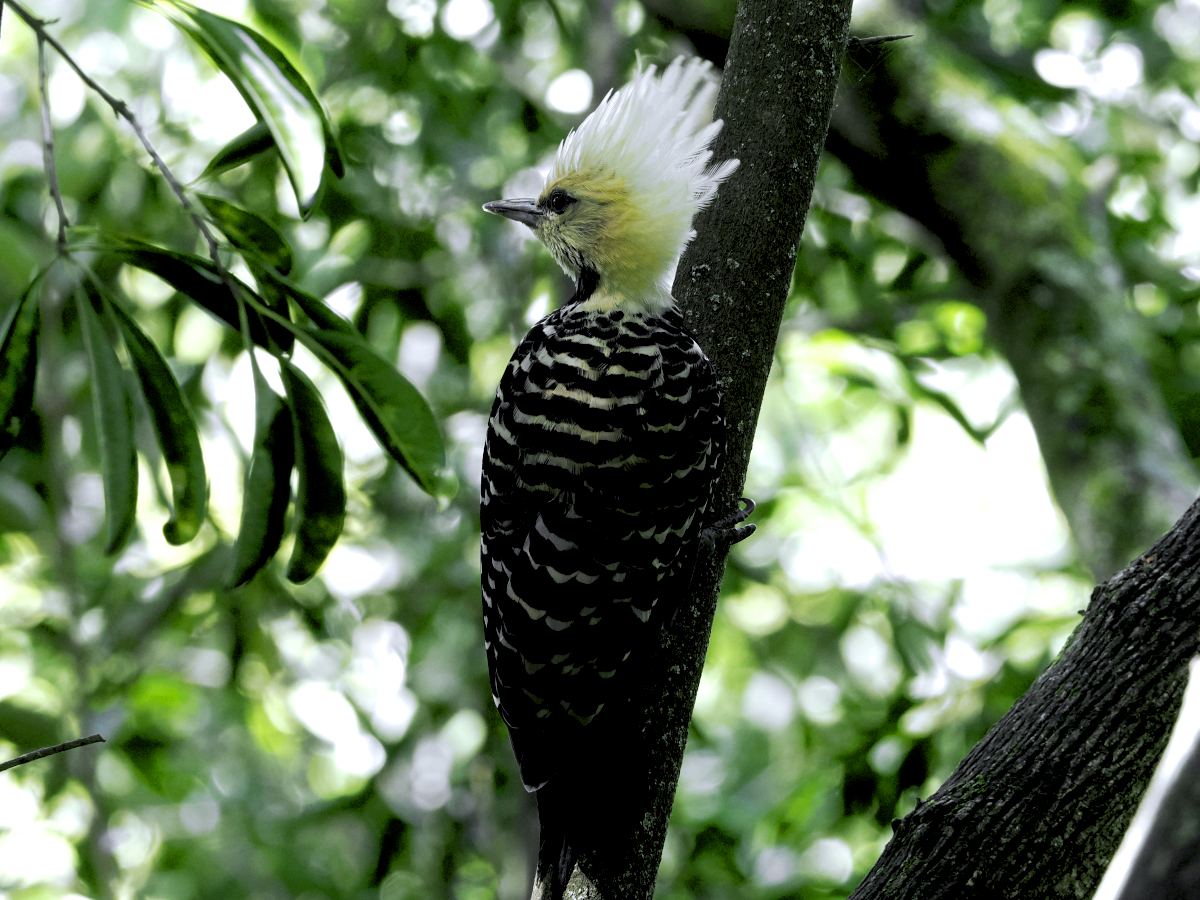
The spectacular Blond-crested woodpecker (Celeus flavescens), seen in a Vitórian city park.
Vitória is an easy, if not very exciting, place to hang out. To be fair though, after spending a few weeks in the craziness of Salvadorian carnival celebrations, if we were going to hang out in a city then hanging out in a quiet city was not necessarily a bad thing!
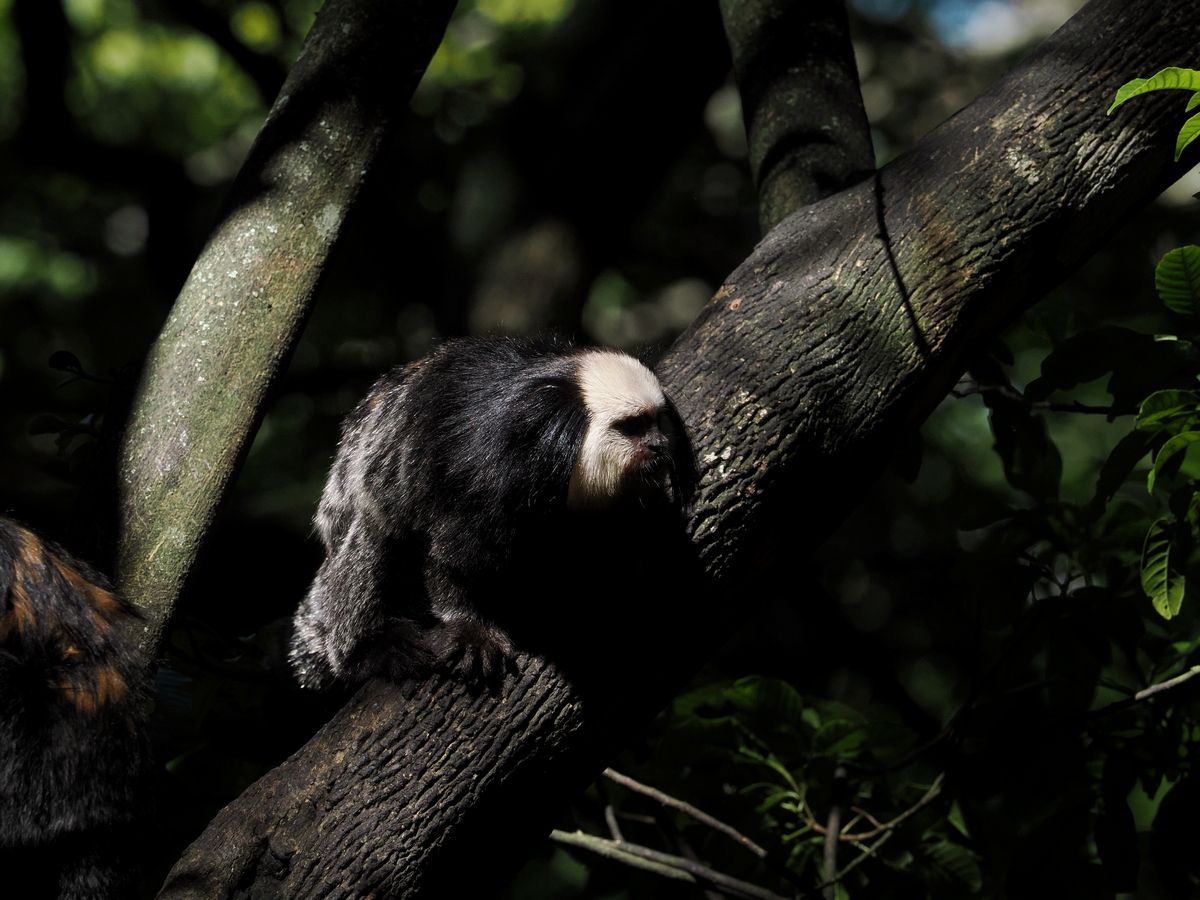
Also in a Vitórian city park, Geoffroy’s Tufted-ear Marmoset (Callithrix geoffroyi).
Pedra Azul – Blue Stone
When it became clear from the forecast that we would be waiting for a few days for a suitable wind, we decided that this was an opportunity to venture inland and up into the mountains. After consulting information on nearby national and state parks we settled on the Parque Estadual de Pedra Azul, a spot that was apparently picturesque and which boasted a handful of forest trails that would give us plenty enough hiking and birdwatching opportunities.
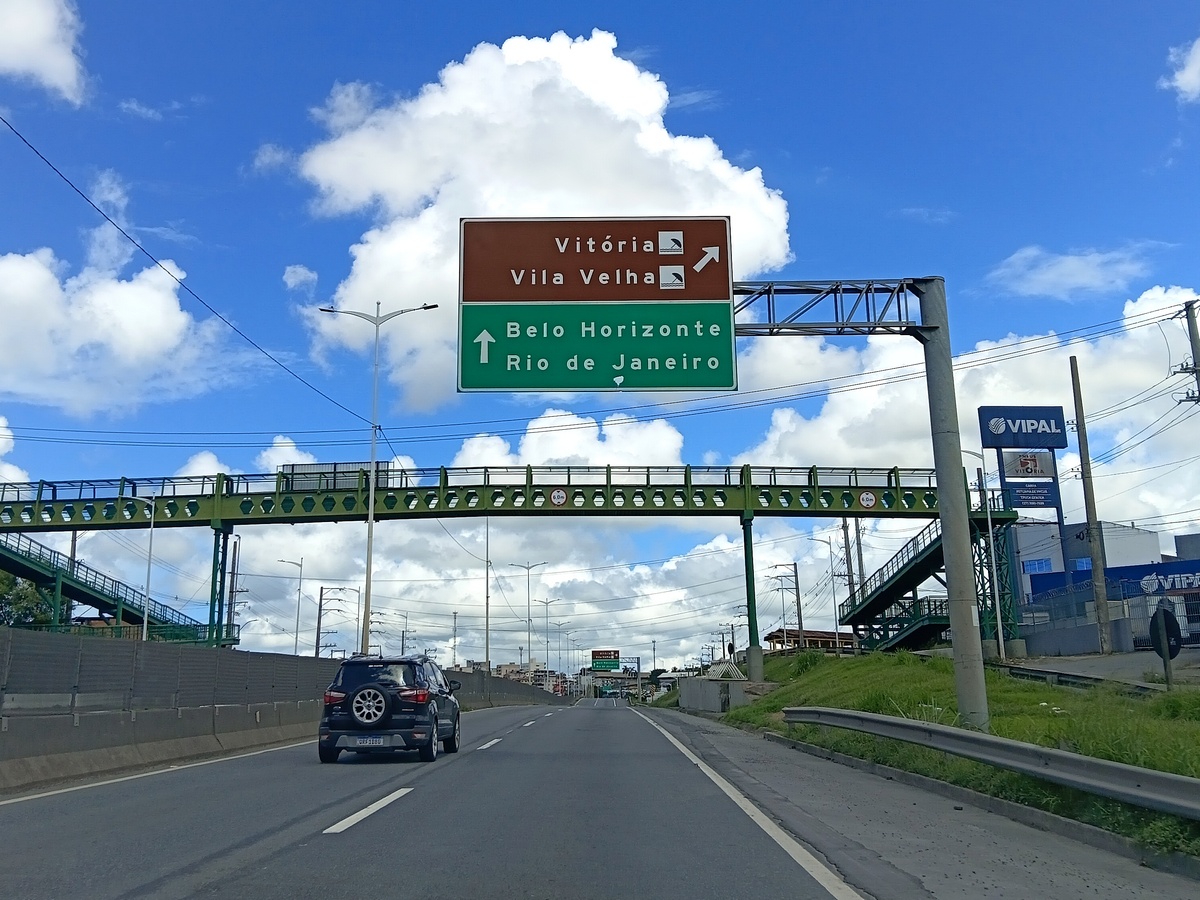
Off to Pedra Azul. Rio is on the road sign but we would have to wait until later to go to Rio and then it would be by boat not by road.
A car was duly hired and we headed out on the major ring road that skirts Vitória’s shabby outer suburbs. This road took us past sprawling distribution centres and industrial parks, grassed fields rank with scrubby weeds and devoid of livestock, and suburbs of colourful houses that seemed to tumble over each other, crowded densely together on steep hillslopes.
On the southern edge of the city the road turned southwest and into a steep sided, green valley. Here it ran past farmland and through a substantial, riverside town before beginning a long and winding climb up into the mountains. This busy road took us up through steep, open farmland and densely planted plantations of impossibly tall and skinny Eucalyptus trees. Where the slopes were too steep or the conditions were no good for human use, rainforest grew in a thick green tangle.
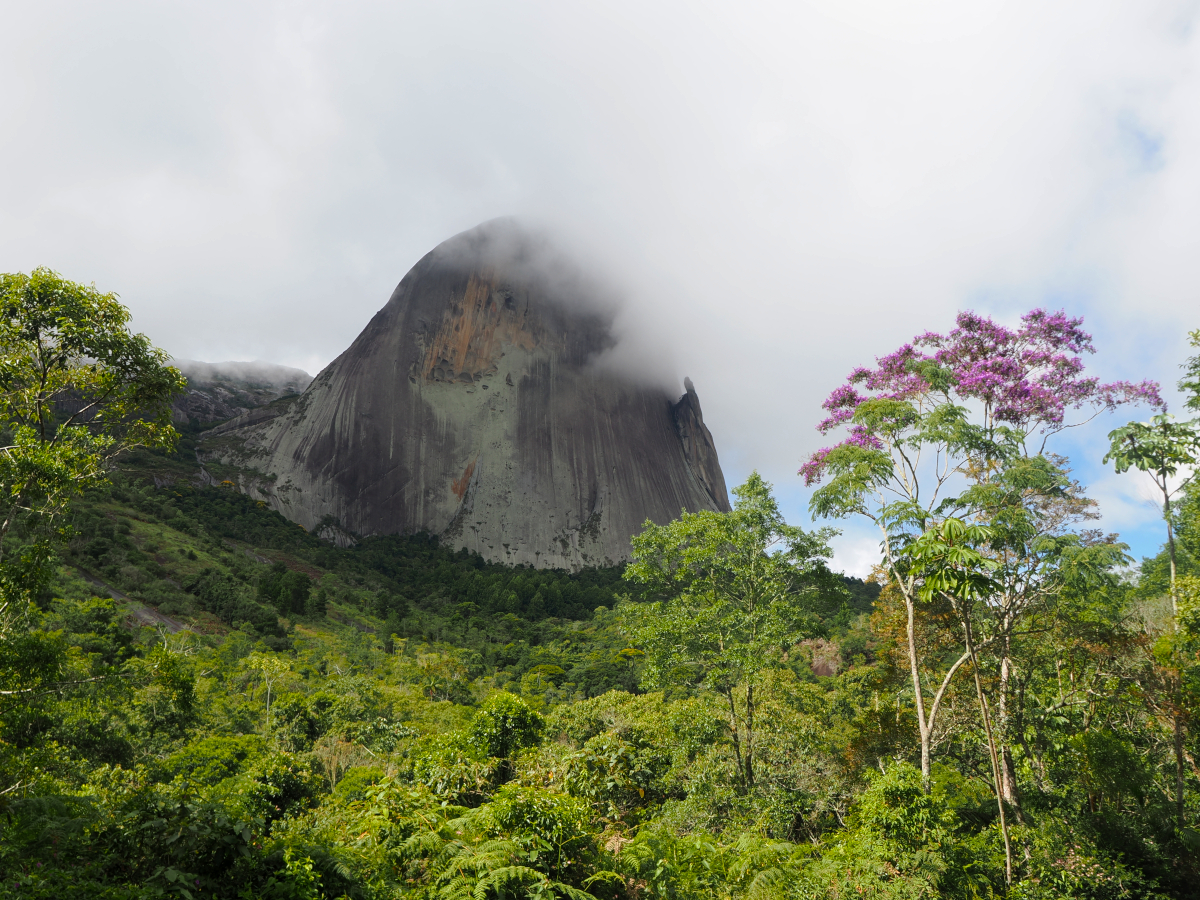
The 1,822m granite peak at Pedra Azul, which can be blue-tinted in certain lights.
Our destination was the town of Pedra Azul. We had booked accommodation in a hotel on the outskirts of the town. This hotel turned out to be a faux German chalet set on a small artificial lake. The German themed architecture harked back to the heritage of the settlers of the region in the early 20th century but over time they seemed to have run out of Germaness and everything else was very Brazilian in style; nary a lederhosen did we see.
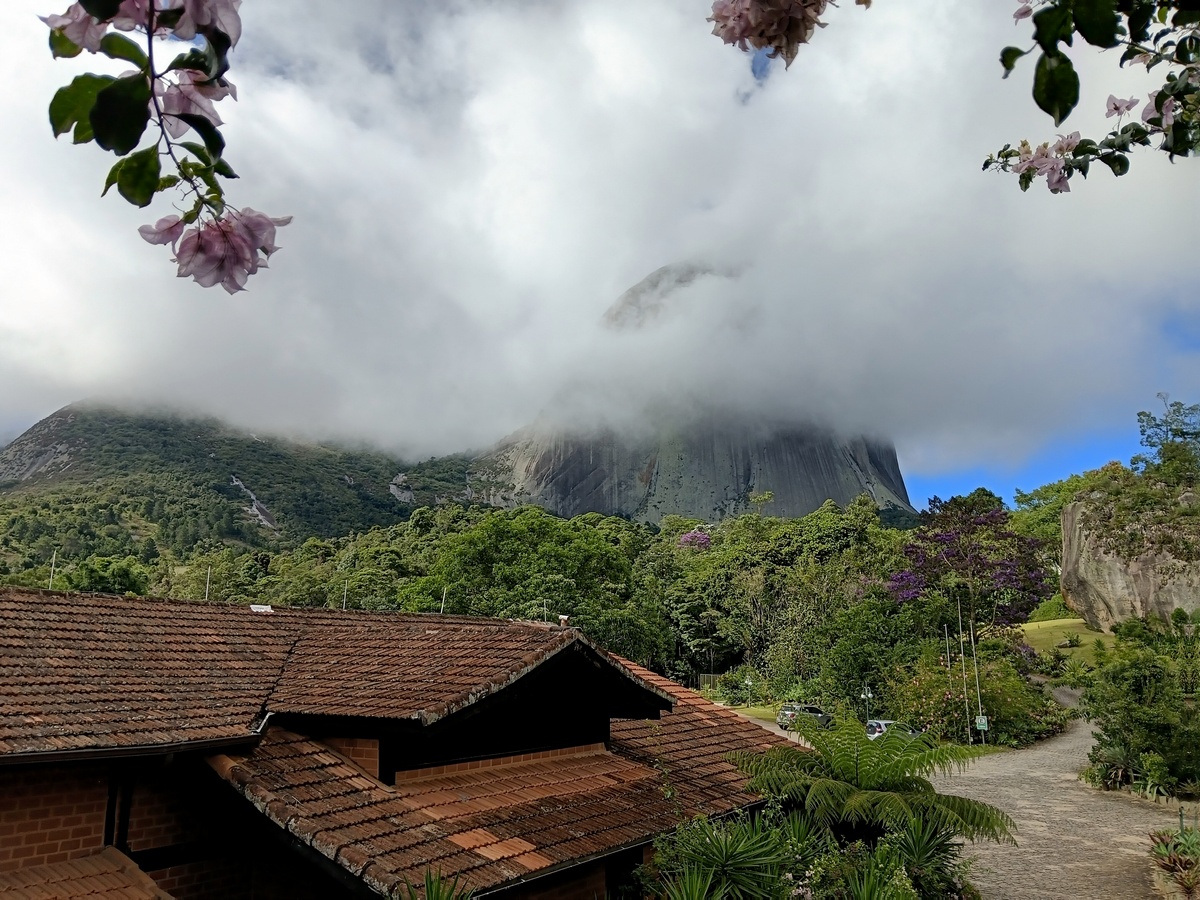
View from our room, not bad. Even better, in the morning we spotted a Red-breasted toucan (Ramphastos dicolorus) and a (unidentified) hummingbird.
The first Park
Having dumped our gear in the hotel we set off on an afternoon birdwatching stroll up to the park entrance. This took us up a ridgeline track through pasture that was home to a variety of finch species. The paddock trees hosted a few tanagers, flycatchers and euphonias while a flock of swallows and swifts rode the turbulence along the ridgeline itself.
Entering the park we were anticipating some nice forest walks with lots of forest birds, so great was our disappointment when the Park Guards told us that not only was the park closed for the day because it was raining, but that it would also be closed the next day because that was Monday and possibly the day after because of forecast rain. Sigh…how typical, David and Frederieke turn up, so they close it!
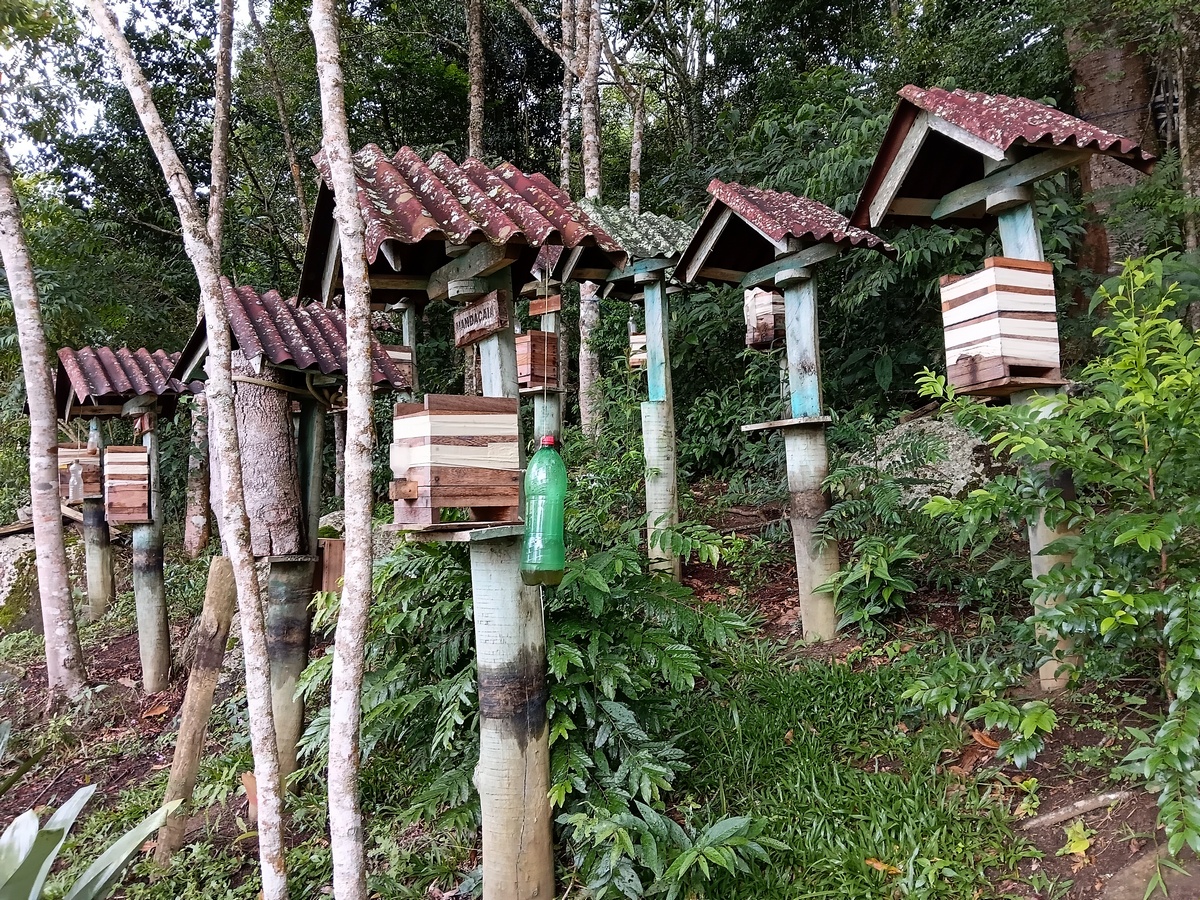
Instead of forest walks and forest birds in the Park, we ended up admiring the native beehives at the Park’s (closed) entrance.
The second Park
With our main destination off-limits during our stay, we decided to visit another park, Parque Estadual Forno Grande, recommended to us by the Park Guards. Happily, this Park was not closed on Monday and so the next morning we made our way along a muddy and potholed dirt road to the Parque Estadual of last resort.
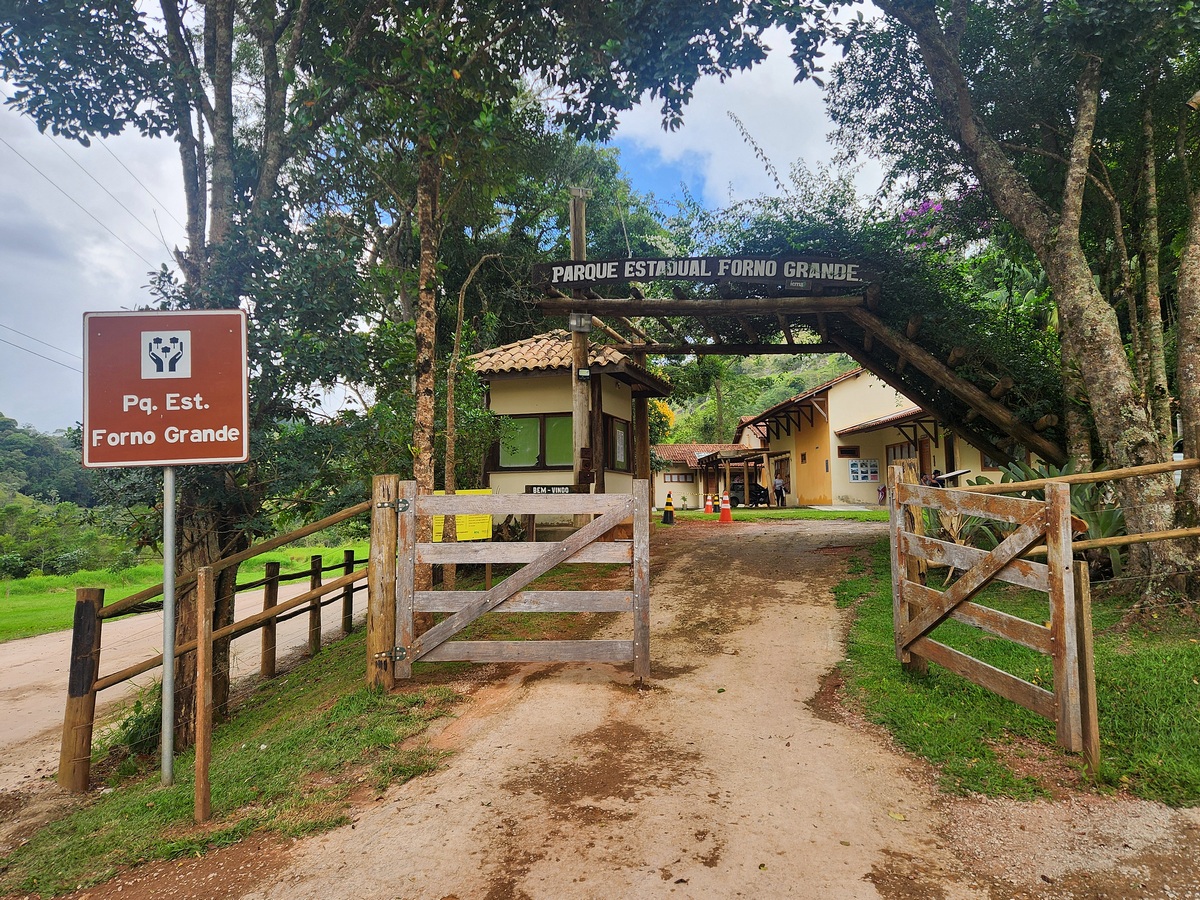
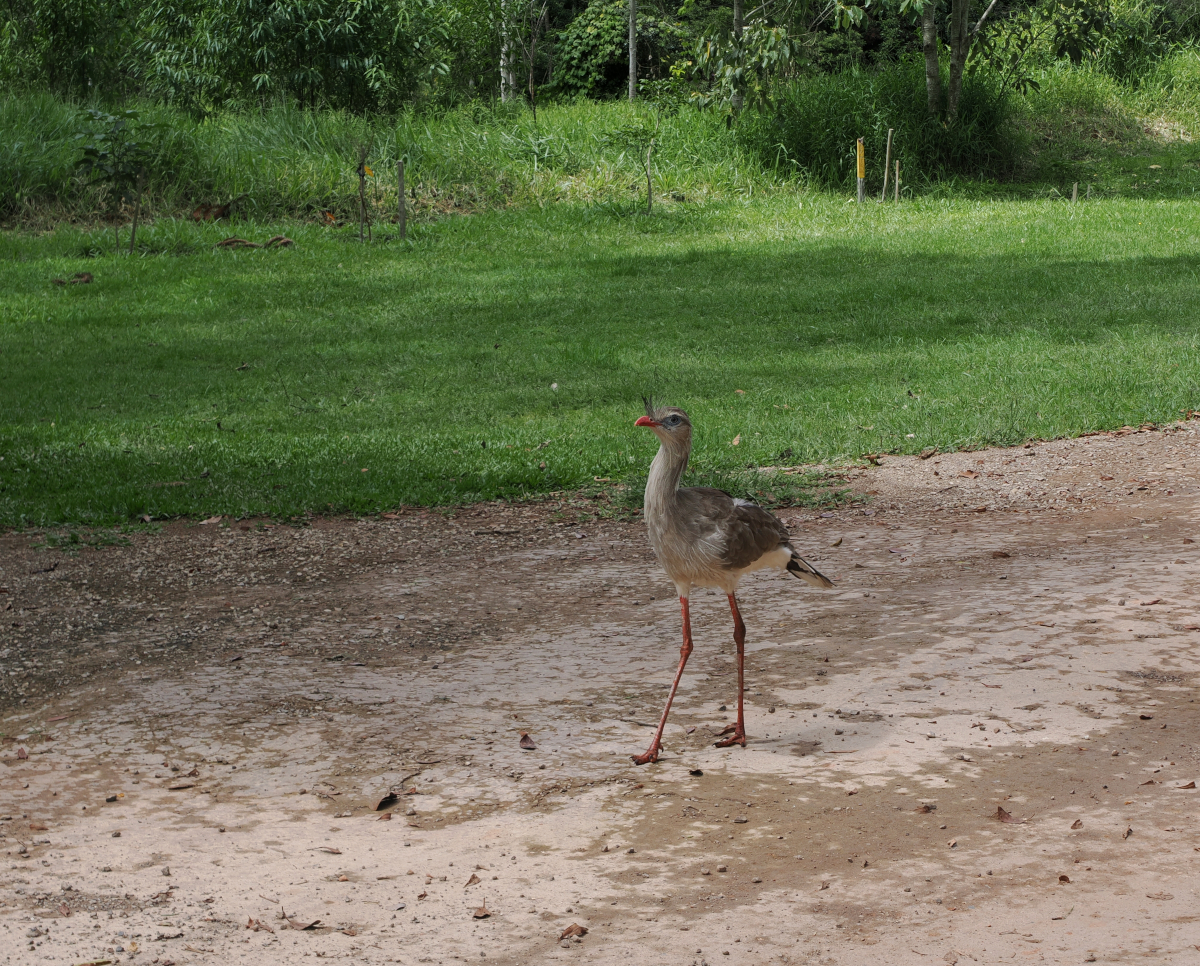
Yeah! This Parque was open, even on a Monday. At the entrance, we were welcomed by a Red-legged seriema (Cariama cristata).
Set in a landscape mix of pastureland and remnant rainforest, this small park consists of a forested inselberg whose thin soils are draped over significant granite dome and were clearly too thin to sustain any agricultural activity. Nevertheless, the forest was thick, if not tall, and birds, at least, were abundant and active.
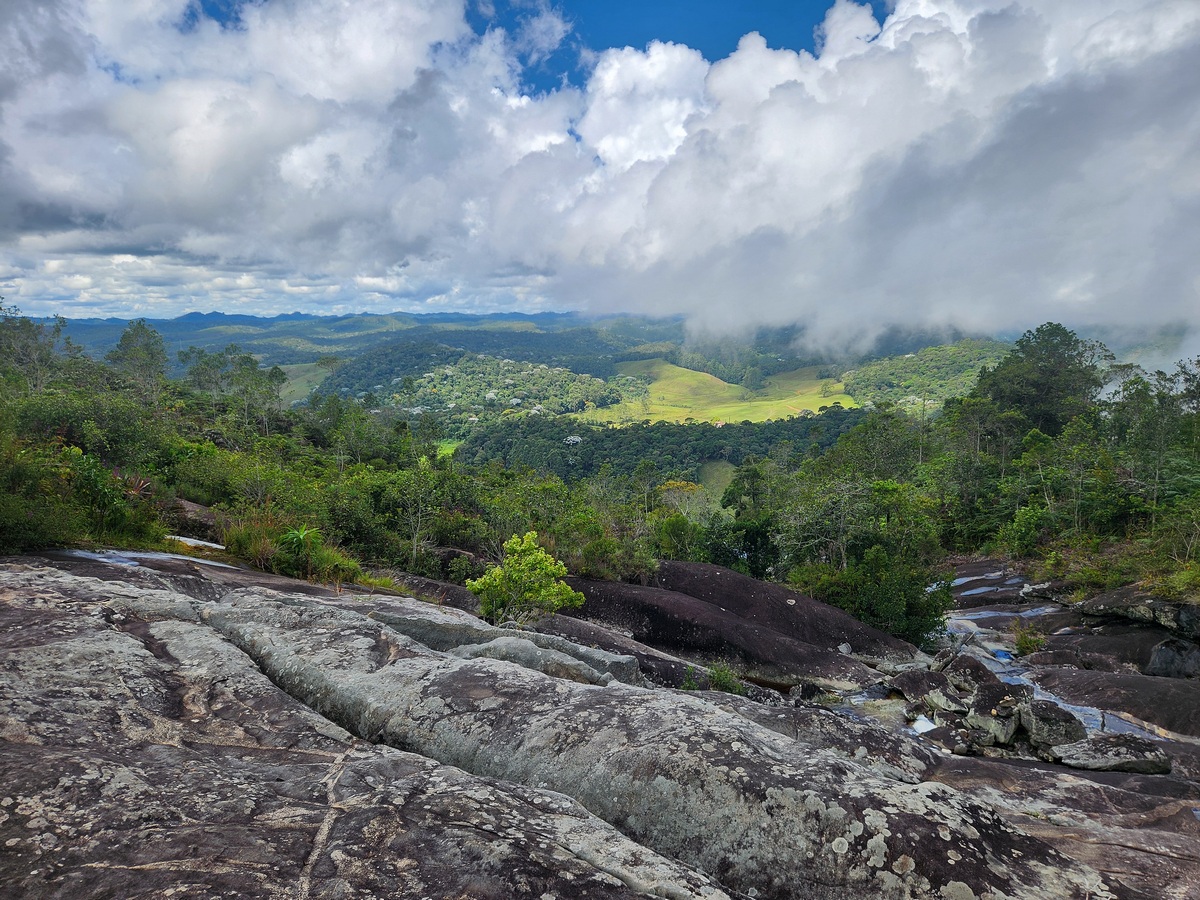
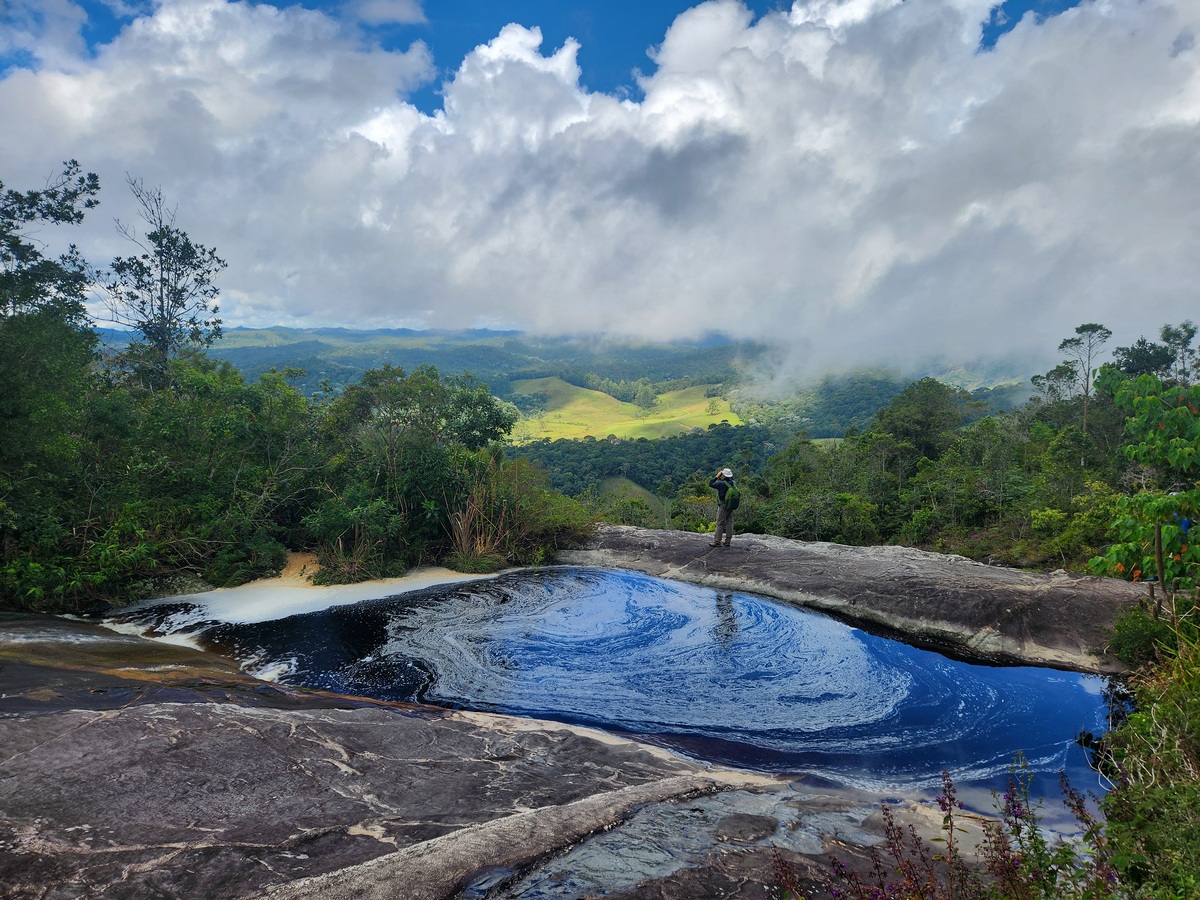
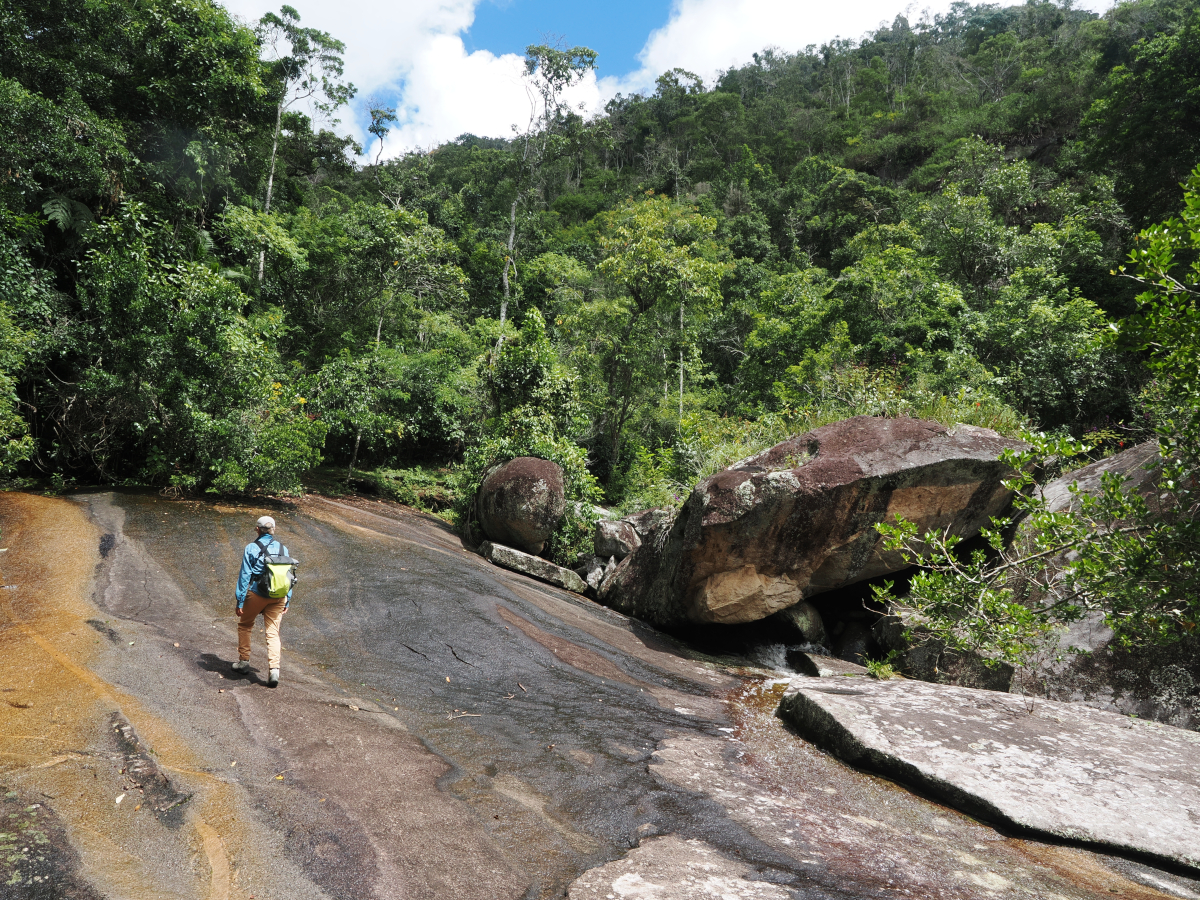
Beautiful scenery in the Parque Estadual Forno Grande.
We moseyed up the park’s single walking track that wound up to a series of viewpoints and water-carved swimming holes and cascades. There was plenty to see, though mostly understory insectivorous birds of the notoriously difficult to distinguish Neotropical kind. All good fun though and we ran into a couple of old friends like the bananaquit and variable ant-shrike.
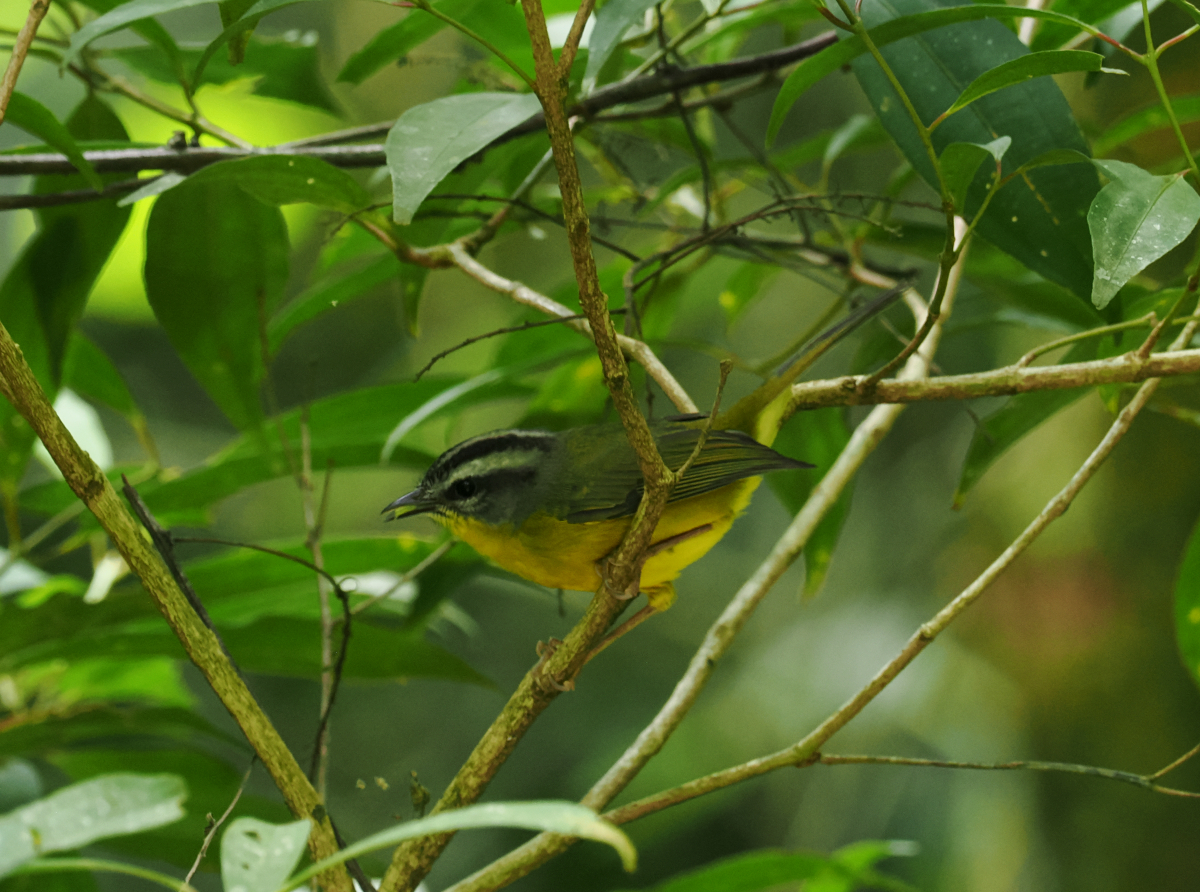
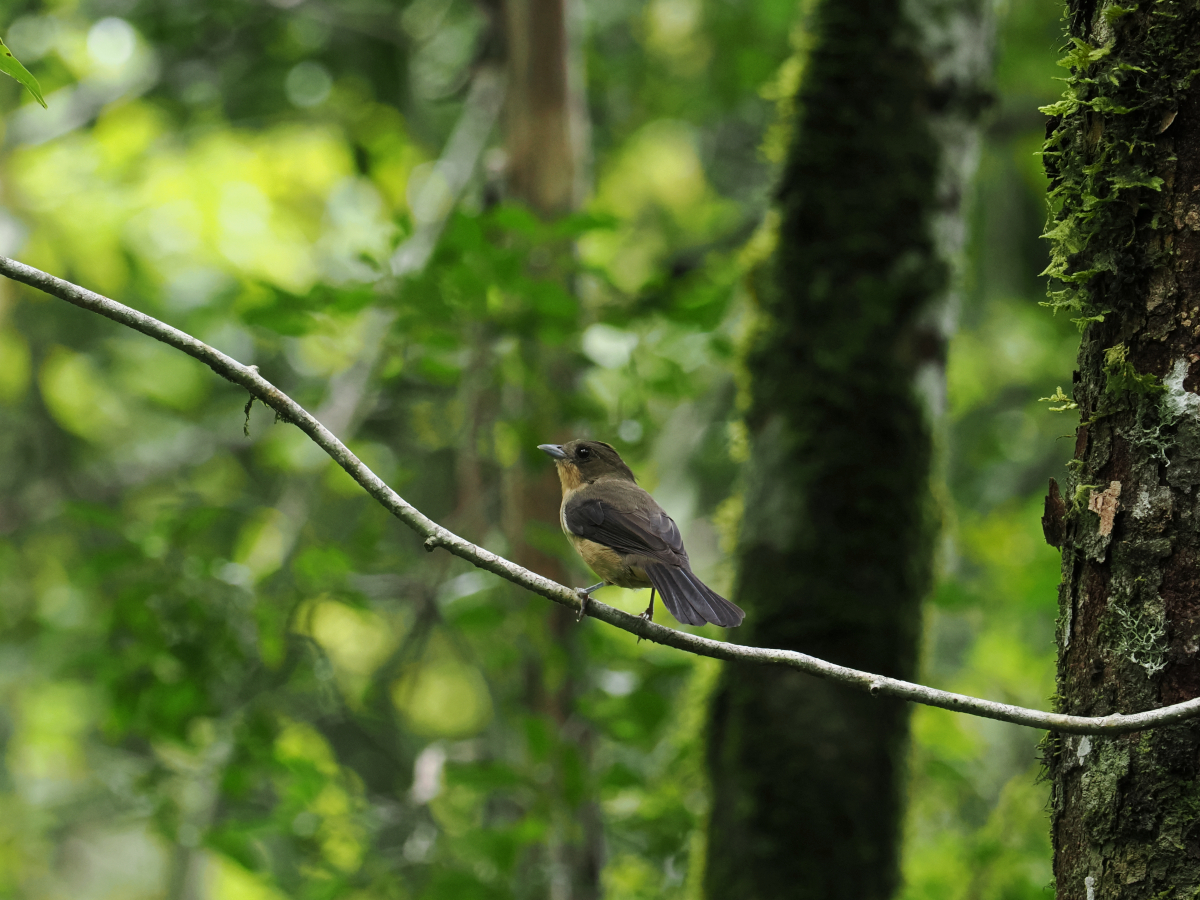
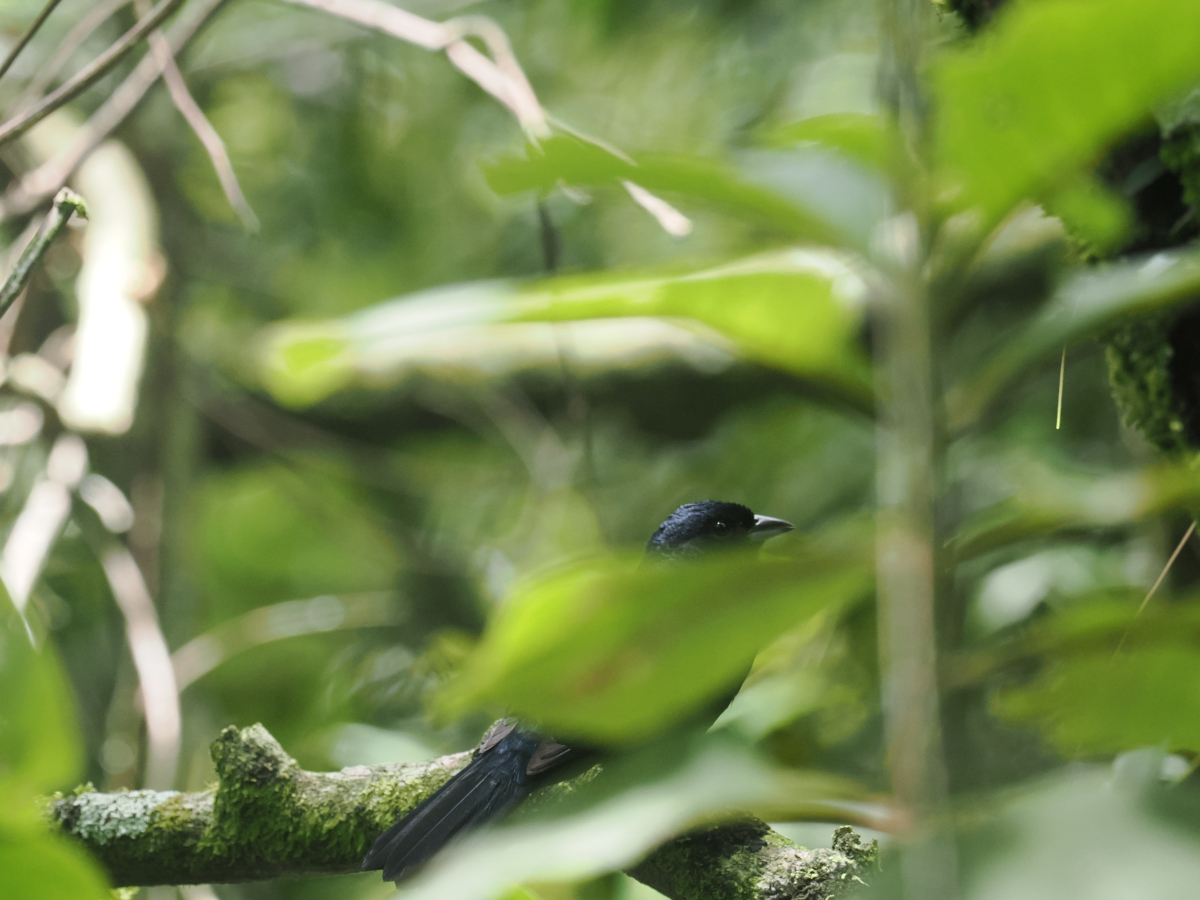
A bananaquit (Coereba flaveola), and a female and male variable antshrike (Thamnophilus caerulescens).
Dangerous animals, and…?
Unexpectedly, we also ran into a squad of Policia Militar heavily laden with automatic weapons, pistols and armour. They came bouncing down the hill, laughing, chatting and pouring sweat. As they went by they assured us that we didn’t need to worry about them, they weren’t out on patrol but just on an officers training course and having fun. Hmmm, okay…but…? They chatted with us for a bit and then waving good bye continued on their noisy way down the hill.
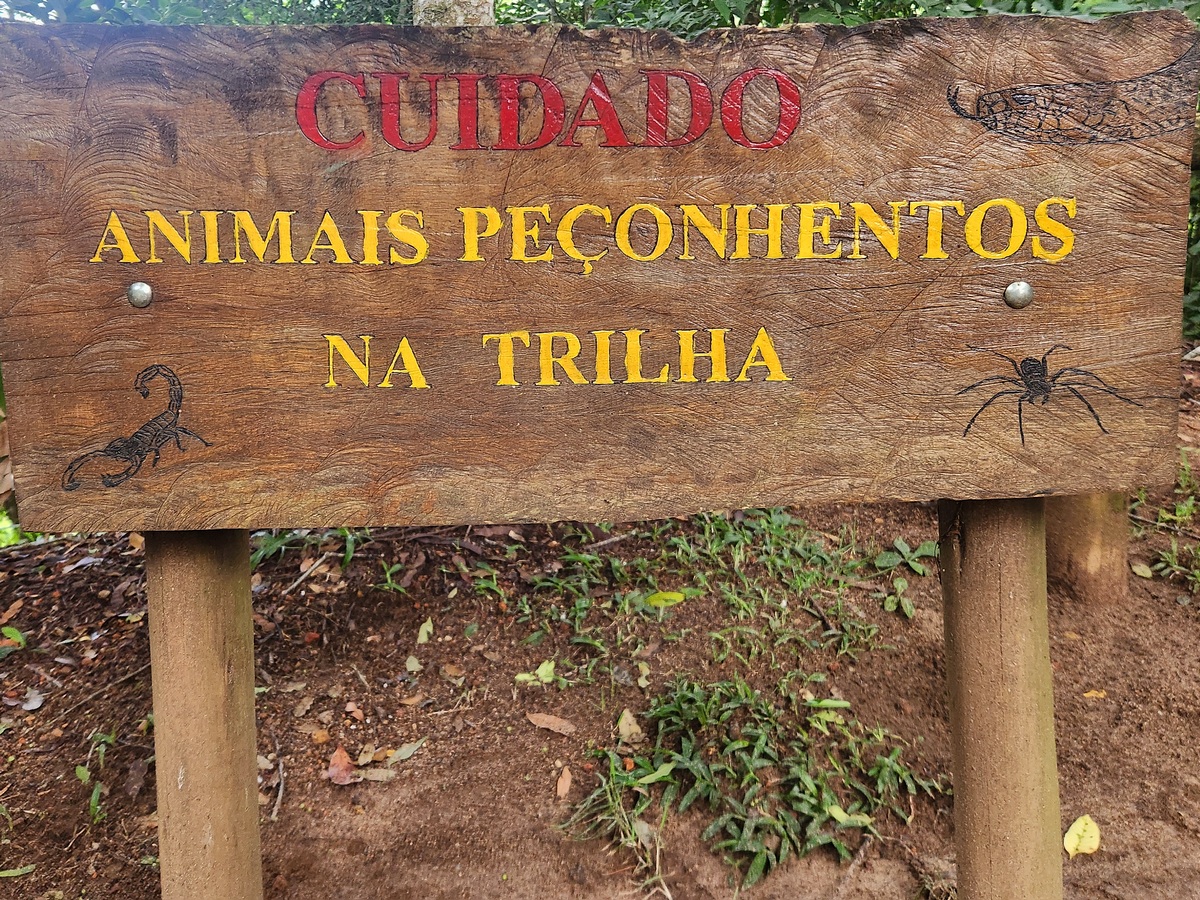
We were warned about these venomous animals, but not about armed police, in the Park.
Brazilian roads and drivers
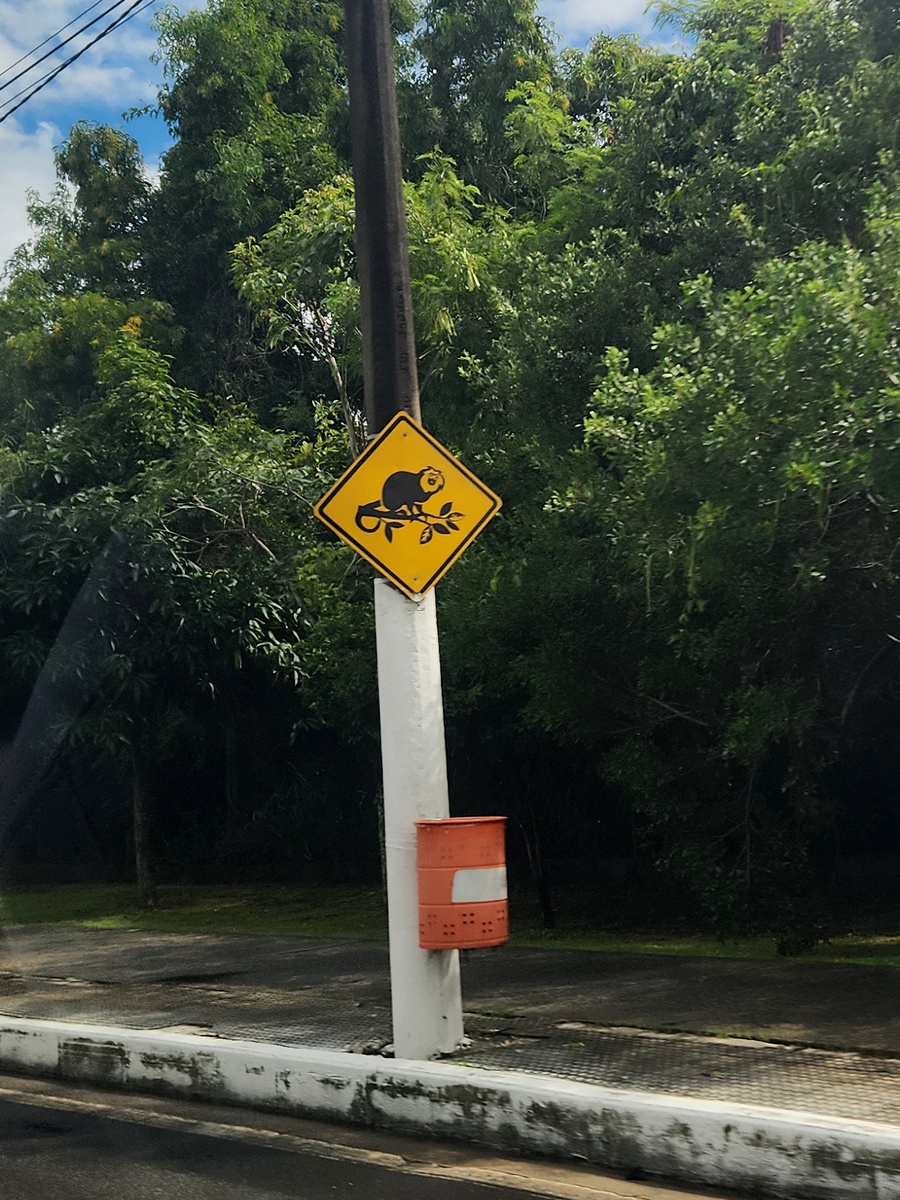
The drive up and back from Pedra Azul gave us some exposure to Brazilian drivers and road rules in the city and on the open road. The main impression is that Brazilians are a relatively relaxed bunch when out on the road. There isn’t a lot of pushing and shoving or beeping of horns and generally they tend to be pretty tolerant of each others needs.
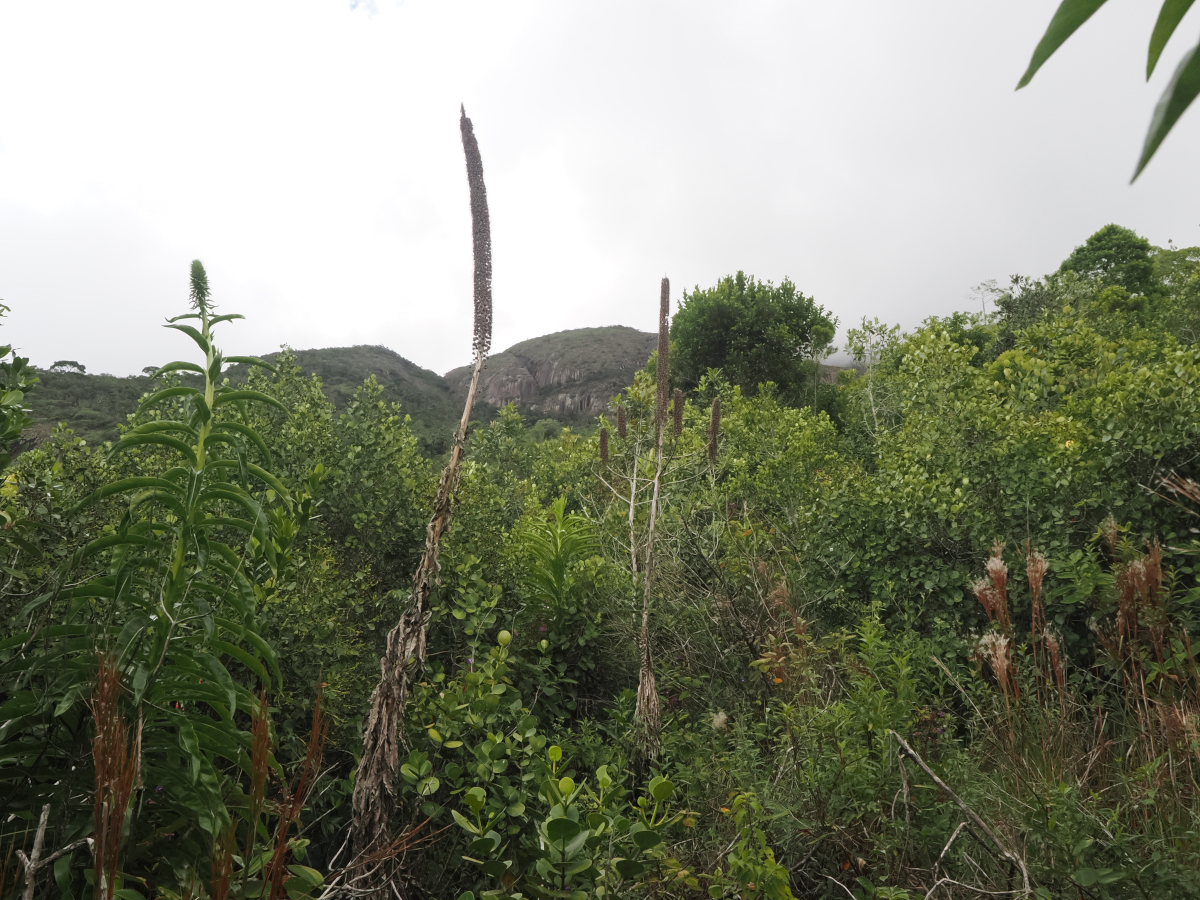
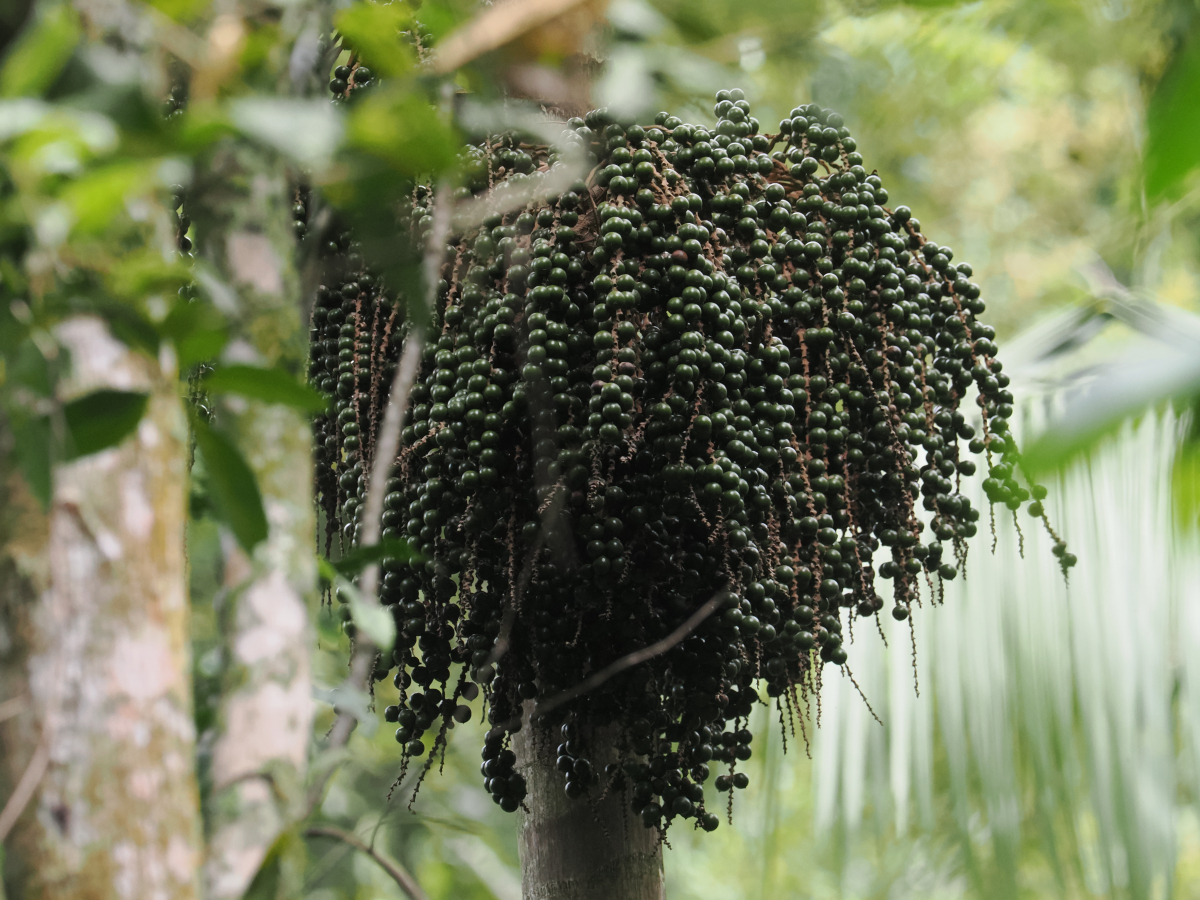
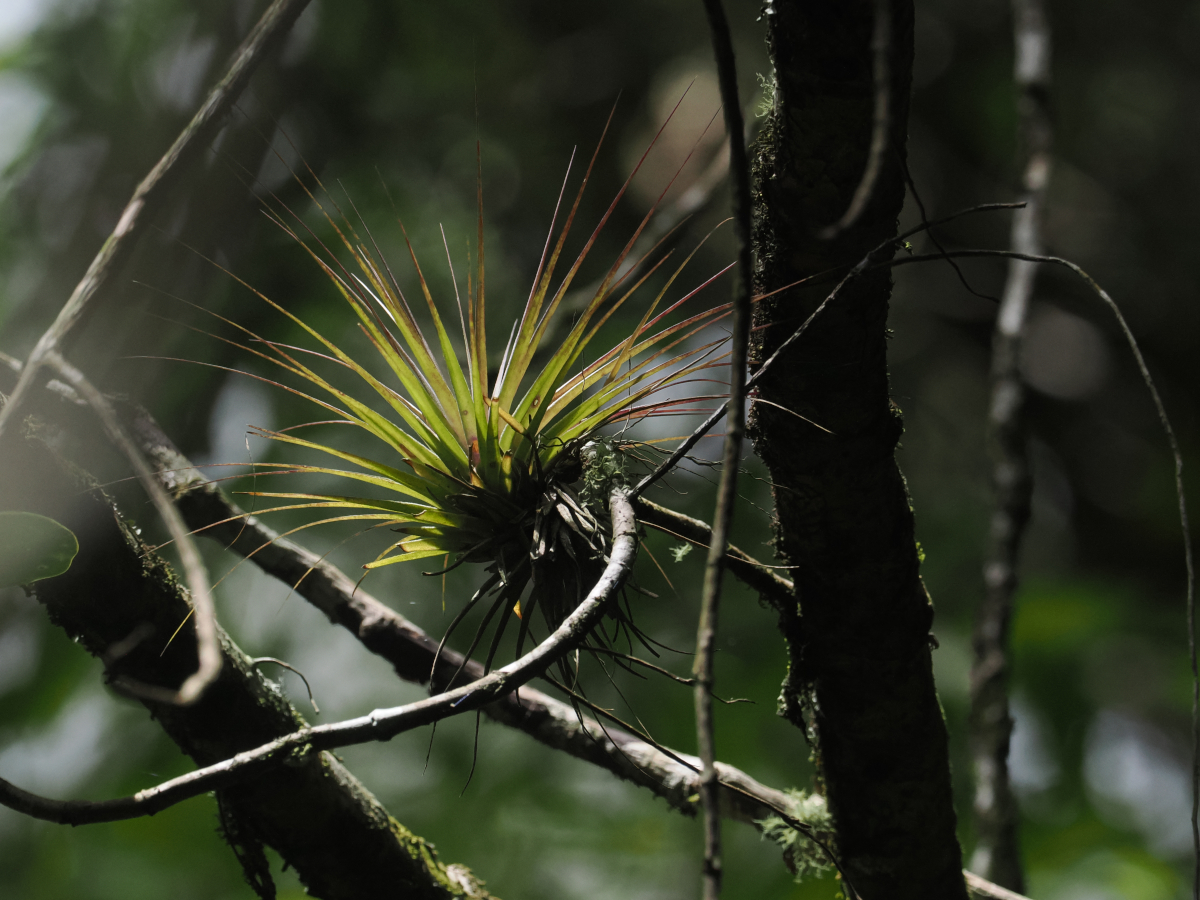
A few more photos from our walk in the Park.
Certainly there are a few cars overtaking across double lanes and lots of motorbikes overtaking left, right and centre, but, luckily, there are enough pod holes in the roads and enough careful drivers keep almost everyone at a fairly safe speed of about 60 km/hr on the minor roads. Even in the often more pressurized environs of the city people tend to drive carefully and considerately.
Still, we were happy to hand back our car at the rental place and hop into an Uber to take us back to our dinghy and Yuma in the busy centre of Vitória. Here, we found Yuma waiting for us, lazily floating on the water, ready to continue on the way south to Rio de Janeiro.
Prachtig!